

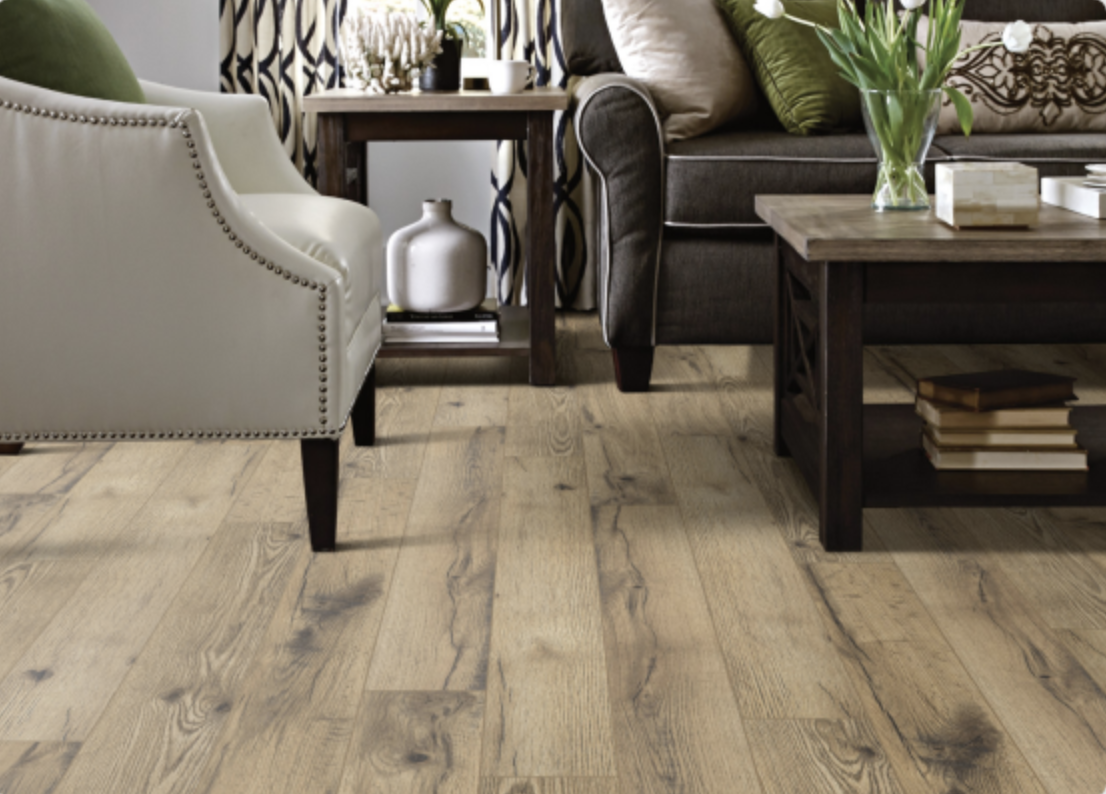
Over time, even the highest-quality hardwood floors will begin to show signs of life. Scuffs from daily foot traffic, scratches from pets, fading from sunlight, and worn-down finishes can leave once-radiant wood looking tired and dull. When faced with aging hardwood, homeowners encounter a major crossroads: Should you refinish your existing wood floors, or is it time to replace them completely with a brand-new material? Making the right choice depends on structural condition, budget, aesthetic goals, and long-term remodeling plans.
Evaluating the Structural Integrity of Your Floors
Before making any financial commitments, you must inspect the physical condition of your existing wood. Refinishing involves sanding off the top layer of finish and a thin layer of wood before applying fresh stain and sealant. However, a floor can only be sanded so many times before the wood becomes too thin.
Check the Wear Layer: Solid hardwood can typically be sanded and refinished 4 to 6 times over its lifespan. Engineered hardwood, however, depends entirely on the thickness of its real-wood top wear layer. If the wear layer is thinner than 2mm, attempting to sand it will burn straight through to the plywood core beneath, meaning replacement is your only option.
Assess Structural Damage: If your floors suffer from widespread rot, extensive deep-set water stains, termite damage, or severely warped and cupped planks, the cost of repairing individual boards prior to refinishing can quickly outweigh the cost of a full replacement.
The Aesthetic Advantage of Replacement
While refinishing allows you to change the stain color of your existing wood (for example, shifting from an amber oak to a modern dark walnut), it cannot change the inherent species, grain pattern, or plank width of your current floor.
If your home currently features narrow 2.25-inch strip oak planks, but your dream design calls for modern 7-inch wide-plank White Oak or textured wire-brushed finishes, refinishing will not satisfy your goals. Replacement allows you to completely transform the scale, architectural feel, and modern style of your home's foundation.
Cost, Timeline, and Mess Considerations
Refinishing is generally more budget-friendly than a complete floor tear-out and replacement, as you are paying primarily for skilled labor rather than new raw materials. However, the refinishing process comes with significant operational downtime:
Refinishing Demands: Traditional sanding creates fine wood dust, and chemical stains require several days of drying time during which you cannot walk on the floors or keep furniture in the rooms. Homeowners often need to temporarily vacate the house during the process.
Replacement Convenience: Replacing floors with pre-finished solid wood, engineered planks, or click-lock luxury vinyl eliminates messy on-site sanding and staining. Once the installation crew finishes laying pre-finished planks, you can immediately walk on the floor and replace your furniture.
At City Carpets, we offer objective, honest advice to help you weigh the pros and cons of repairing, refinishing, or replacing your current floors. We evaluate every job based on structural reality and your personal renovation goals. To learn more about our store history and our dedicated design team, check out our About Us page.
Take the Next Step in Your Home Renovation
Deciding whether to restore your existing floors or upgrade to a brand-new material is a pivotal moment in any home improvement project. Having an experienced flooring specialist inspect your current boards is the best way to avoid costly mistakes.
If you are ready to explore new hardwood samples or need expert advice on whether your current floors are candidates for replacement, we invite you to consult with our local team. Please head over to our Location page to find directions to our store and stop by our showroom to speak with a specialist today.


