

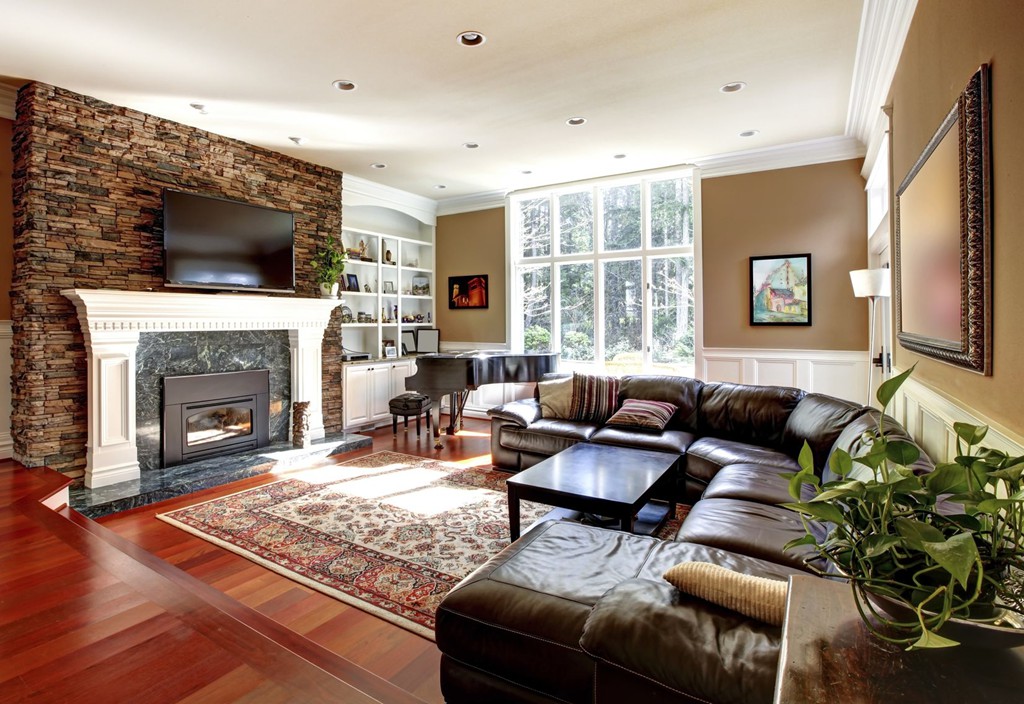
In modern home architecture, open layouts, high ceilings, and hard surfaces are celebrated for their sleek visual appeal. However, these architectural choices come with a major acoustic trade-off: sound travels easily and amplifies quickly. Footsteps echoing from upstairs, loud television audio carrying through open hallways, and pet nails clicking across hard floors can create a chaotic ambient noise level. Managing acoustics in your home isn't just about soundproofing walls; it starts from the ground up.
Understanding Sound Transmission: STC vs. IIC Ratings
When evaluating flooring for noise control, two standard industry metrics define how well a material dampens sound:
STC (Sound Transmission Class): Measures a floor system's ability to block airborne noise, such as voices, music, or television audio.
IIC (Impact Insulation Class): Measures a floor system's ability to absorb impact noise, such as footsteps, dropped objects, or shifting furniture.
Higher numbers in both ratings indicate better sound-blocking performance. Choosing materials with strong IIC ratings is particularly vital for multi-story homes, condos, and apartments where footstep noise easily penetrates down into lower living quarters.
Bedrooms and Home Offices: Prioritizing Maximum Quiet
Bedrooms and home offices require the quietest environments in the house. For these spaces, carpet remains the gold standard in acoustic absorption. Wall-to-wall carpeting with a high-density polyurethane or rubber pad underneath provides an exceptional IIC rating, absorbing up to 10 times more impact noise than hard-surface flooring.
If you prefer hard-surface flooring in a bedroom or office, pair engineered hardwood or luxury vinyl with a specialized rubber or cork underlayment. Adding a thick, wool area rug over the top restores the sound absorption lost by removing carpet.
Living Areas and Playrooms: Managing High Foot Traffic
Main living zones handle constant activity. In these high-motion areas, Luxury Vinyl Plank (LVP) with a Wood-Plastic Composite (WPC) core offers excellent built-in acoustic dampening. The cellular, aerated core of WPC dampens structural vibrations far better than thin laminate or stone tile.
For playrooms where children bounce toys and run around, adding cushioned carpet tiles or large area rugs with non-slip felt pads is an effective strategy. It creates a comfortable, safe play surface while preventing loud impact noise from reverberating through the entire house.
Upstairs Hallways and Staircases
Staircases act as natural megaphones, amplifying the sound of footsteps and echoing them straight into the lower level of the home. Running a custom carpet runner down a wooden staircase is one of the most effective ways to instantly quiet a noisy home. It cushions every step, prevents slipping, and adds a tailored, luxurious visual line to your foyer.
At City Carpets, we understand that a truly comfortable home must satisfy both the eyes and the ears. Our team is trained to help you calculate the right acoustic combinations for every floor level and structural setup. Discover more about our product offerings and our commitment to customer care by browsing our About Us section.
Achieve Peace and Quiet in Your Home
You don't have to live with disruptive echoes and noisy footsteps. By combining acoustically rated hard surfaces, high-performance underlayments, and plush textile options, you can create a serene, quiet sanctuary for your whole family.
Ready to test out sound-dampening flooring options in person? Our experienced team is ready to help you select the ideal materials for your acoustic goals. Please visit our Location page for directions to our local showroom and drop by to experience our collections today.


